What could the future hold for Novovolynska Mine No. 9?
18 November 2026
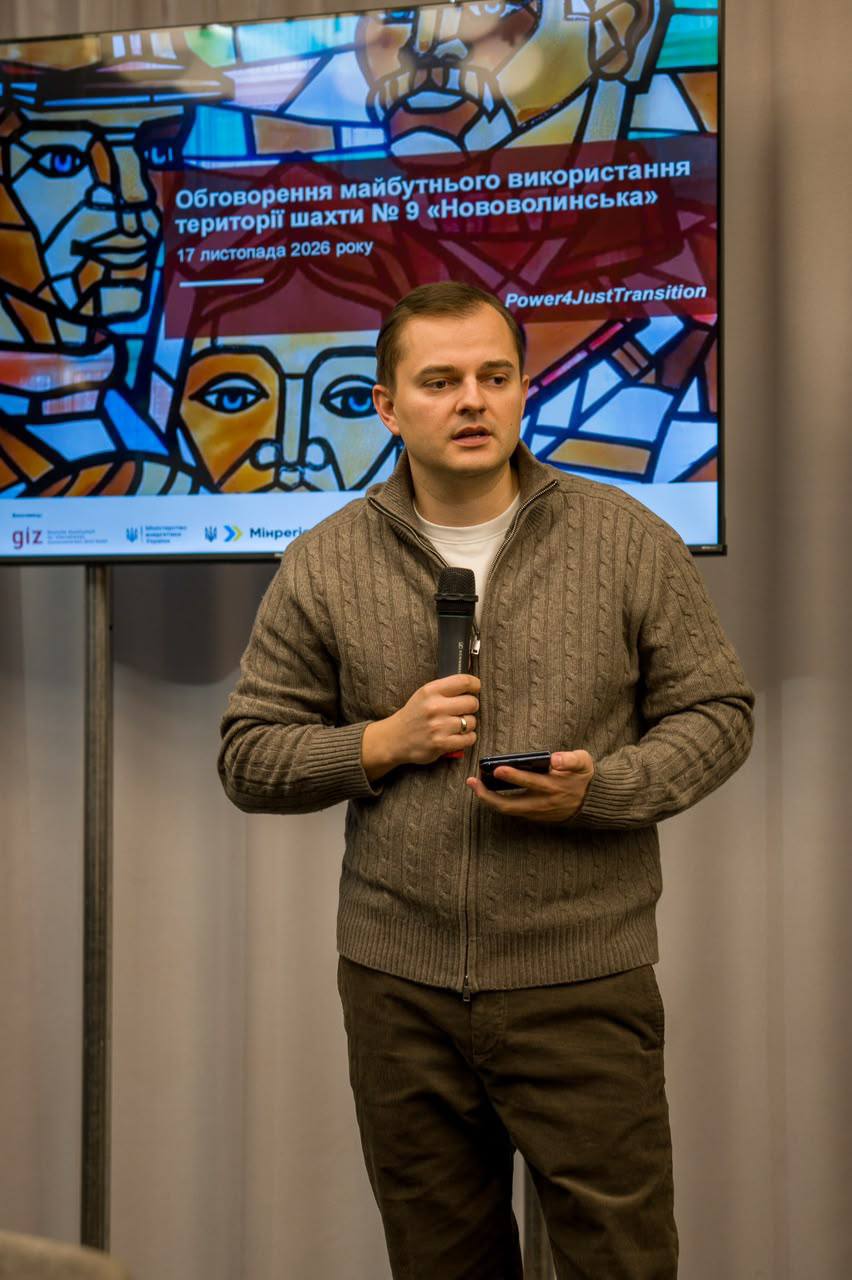
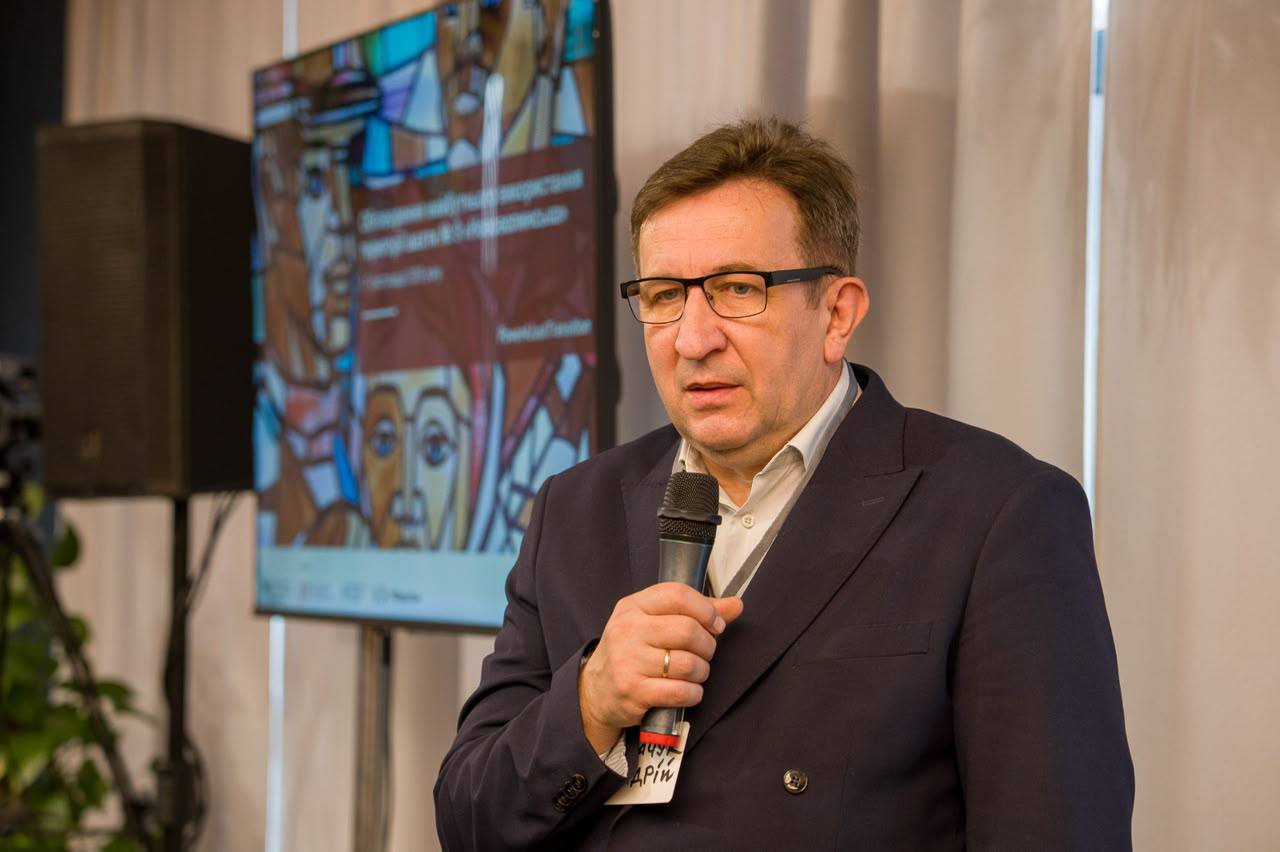
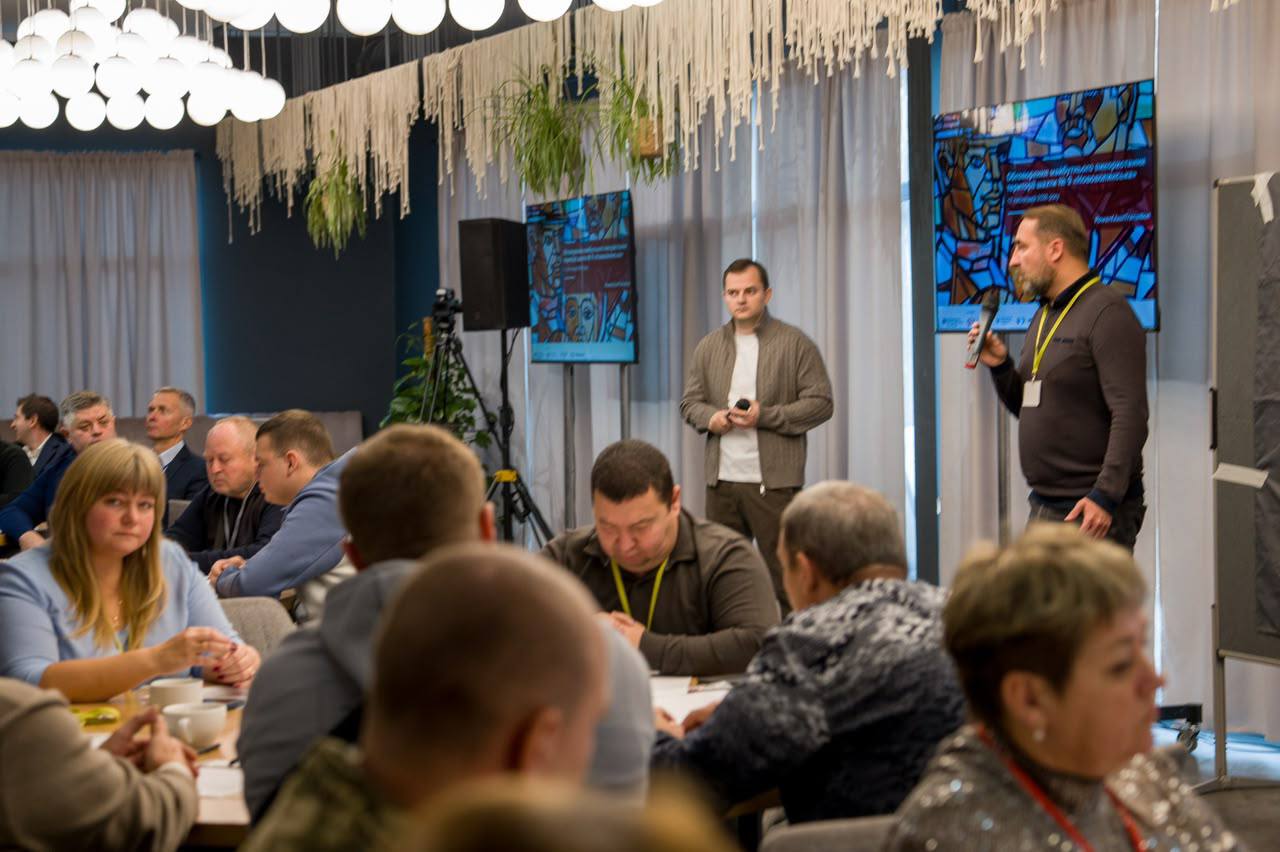
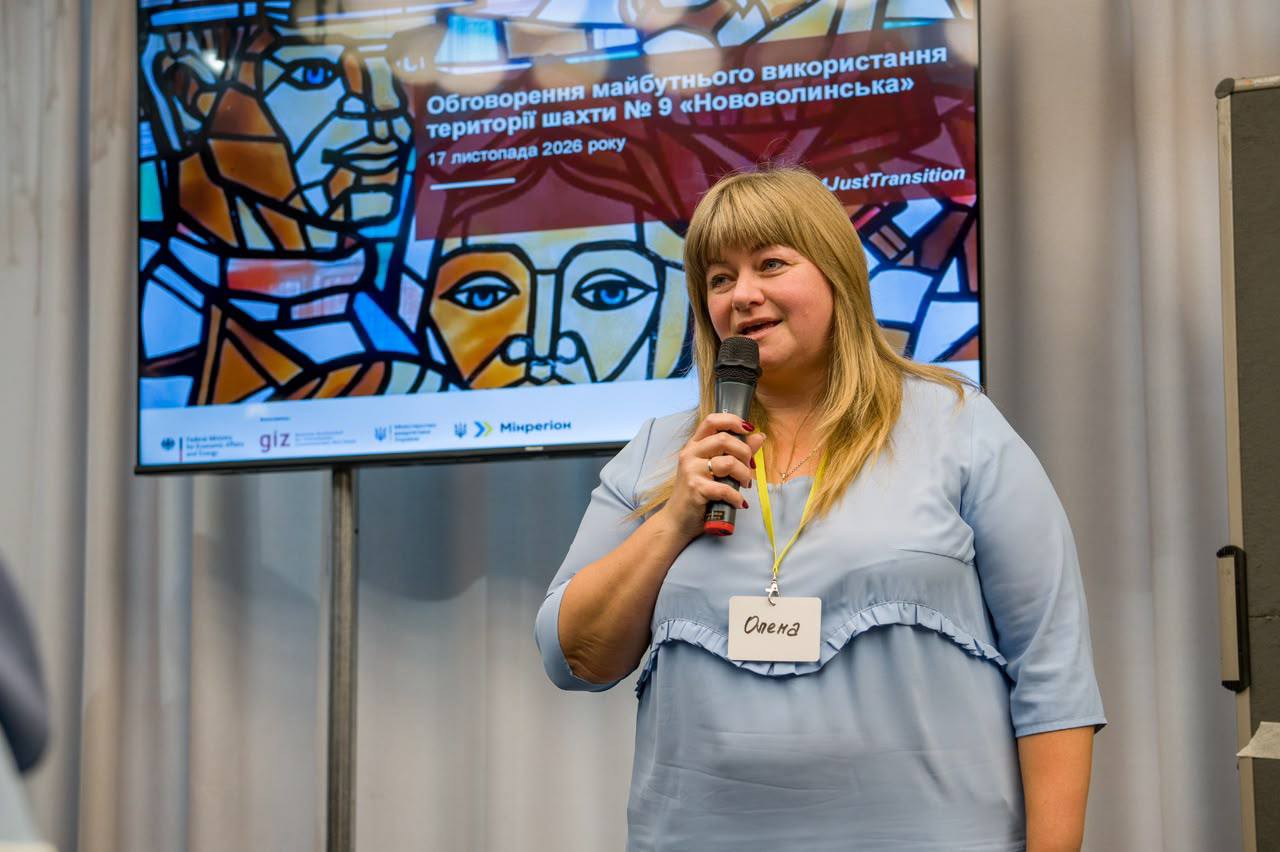
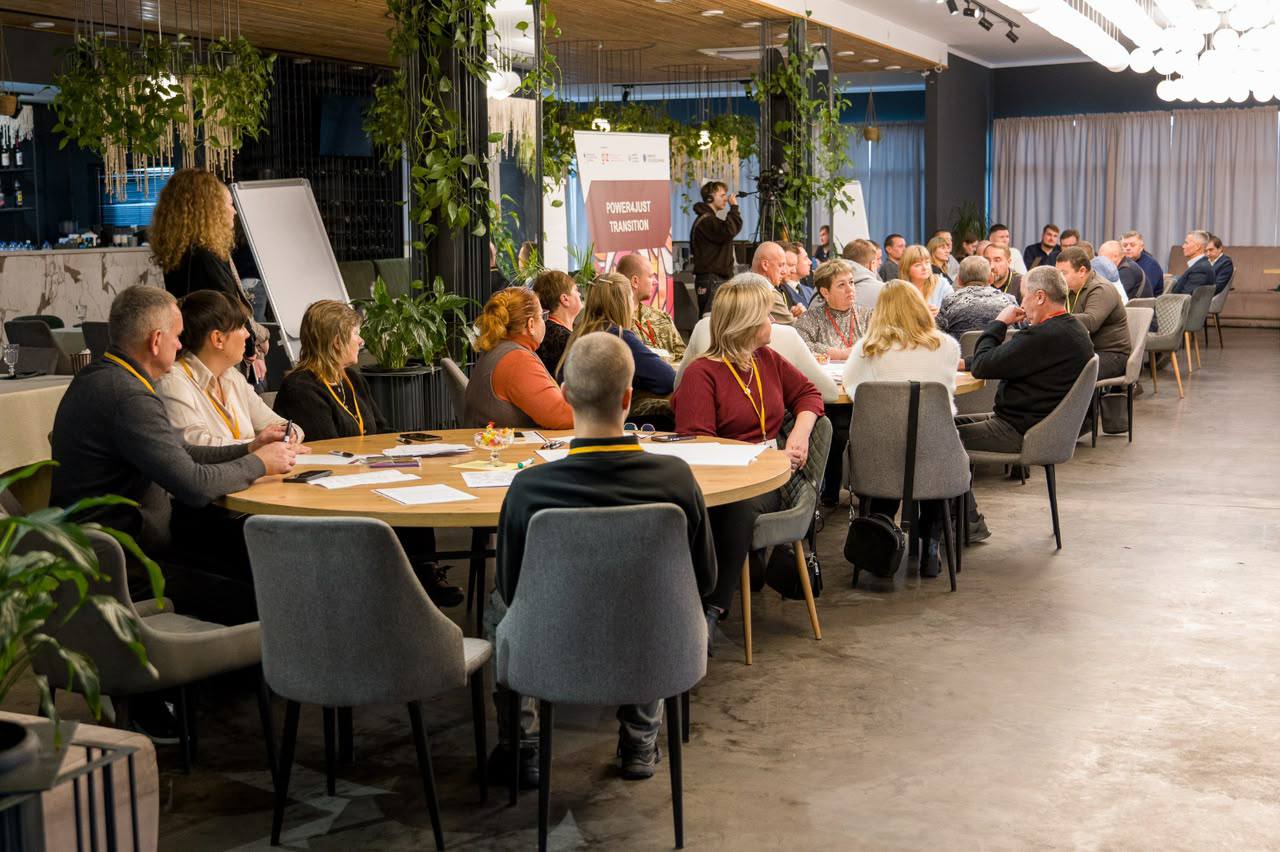
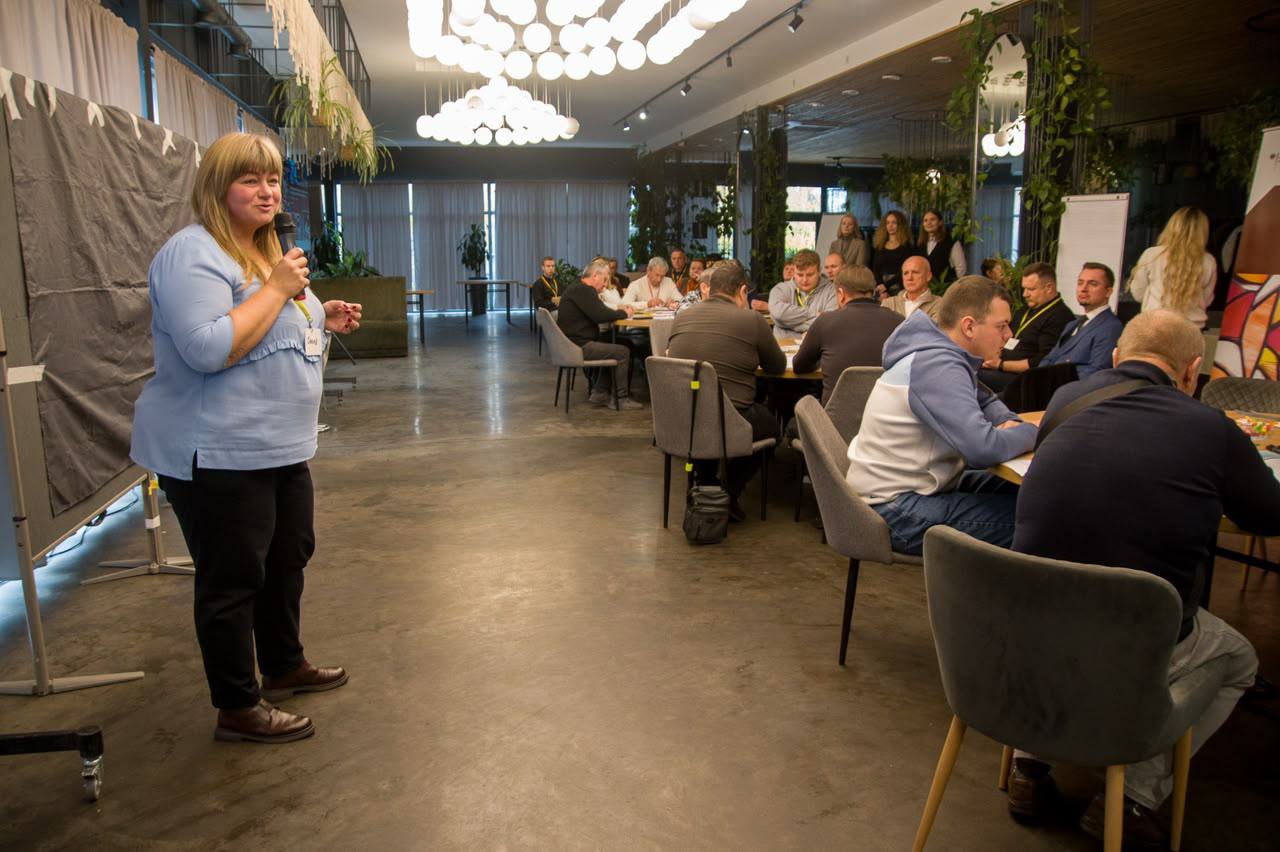
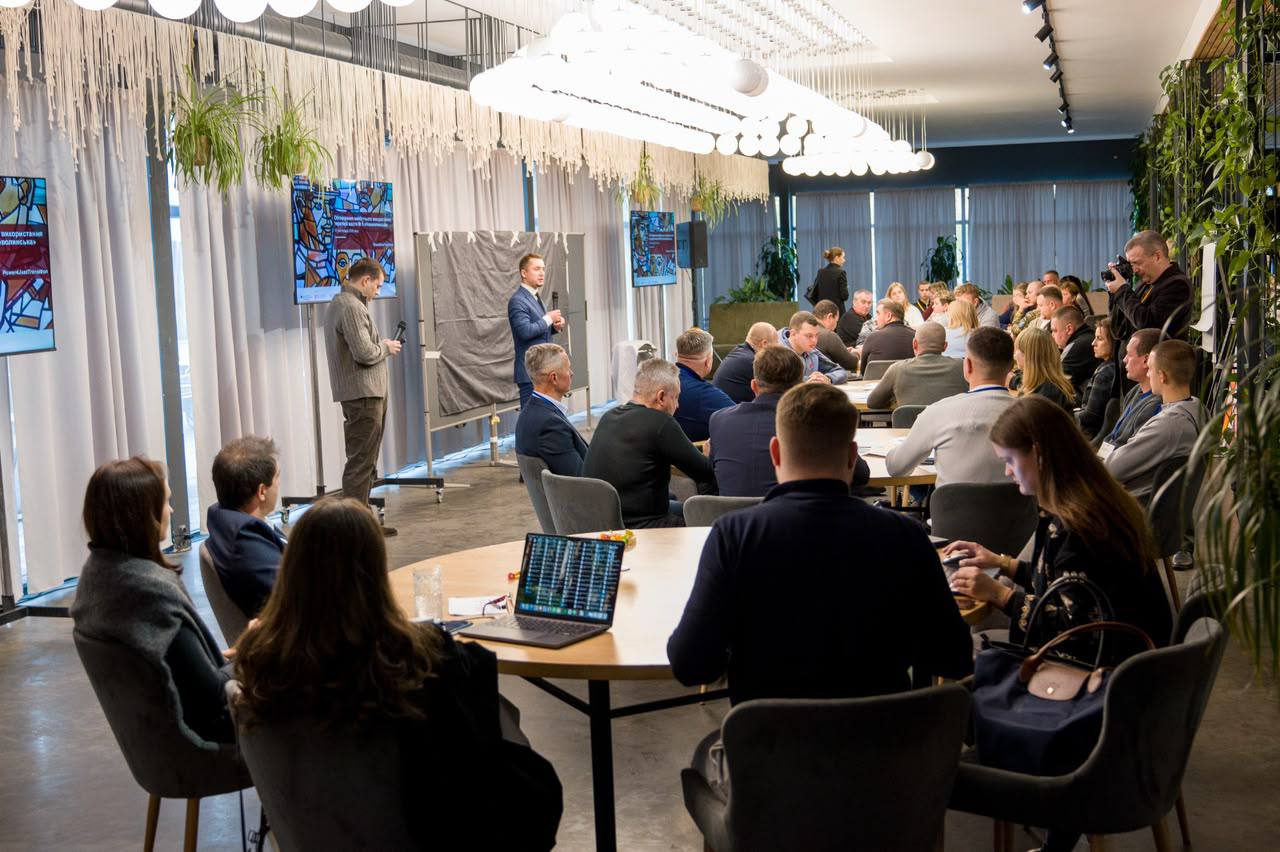
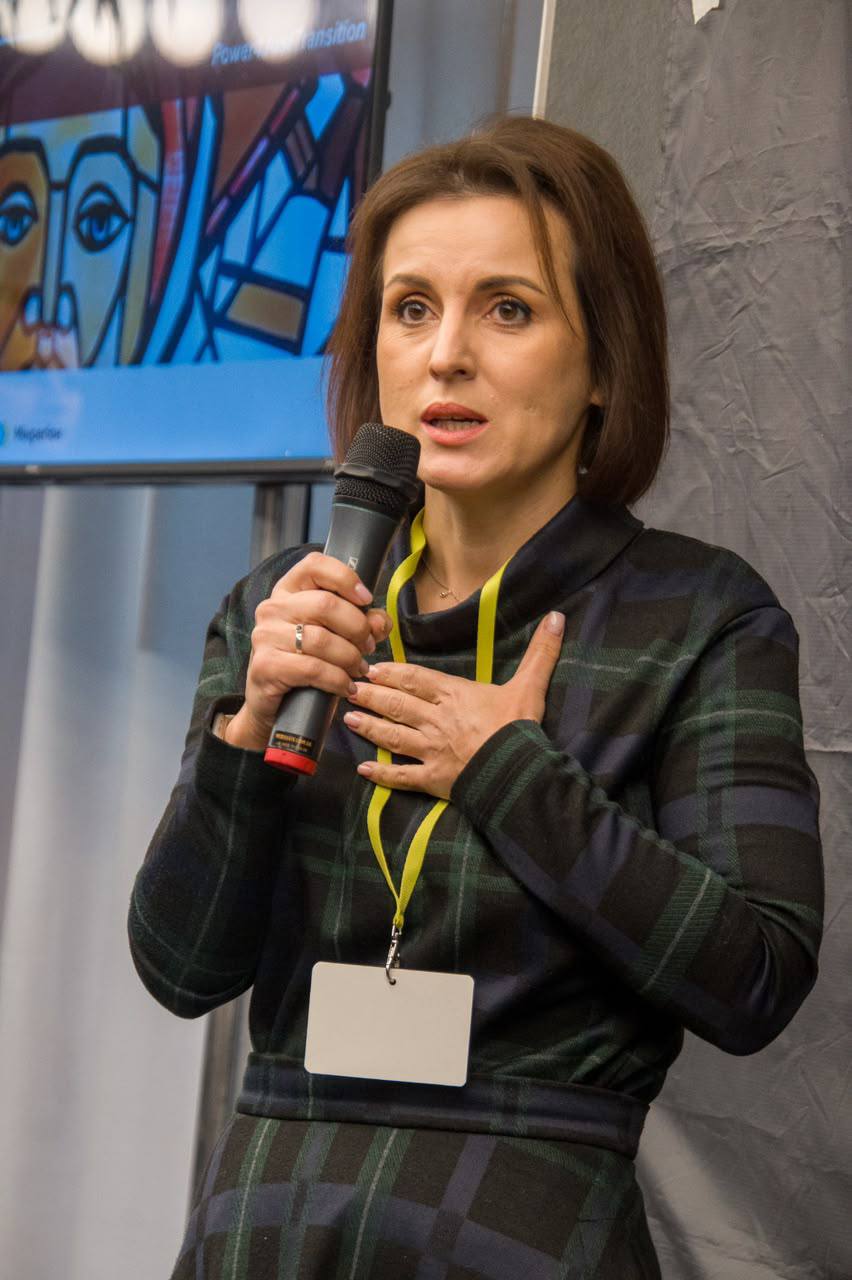
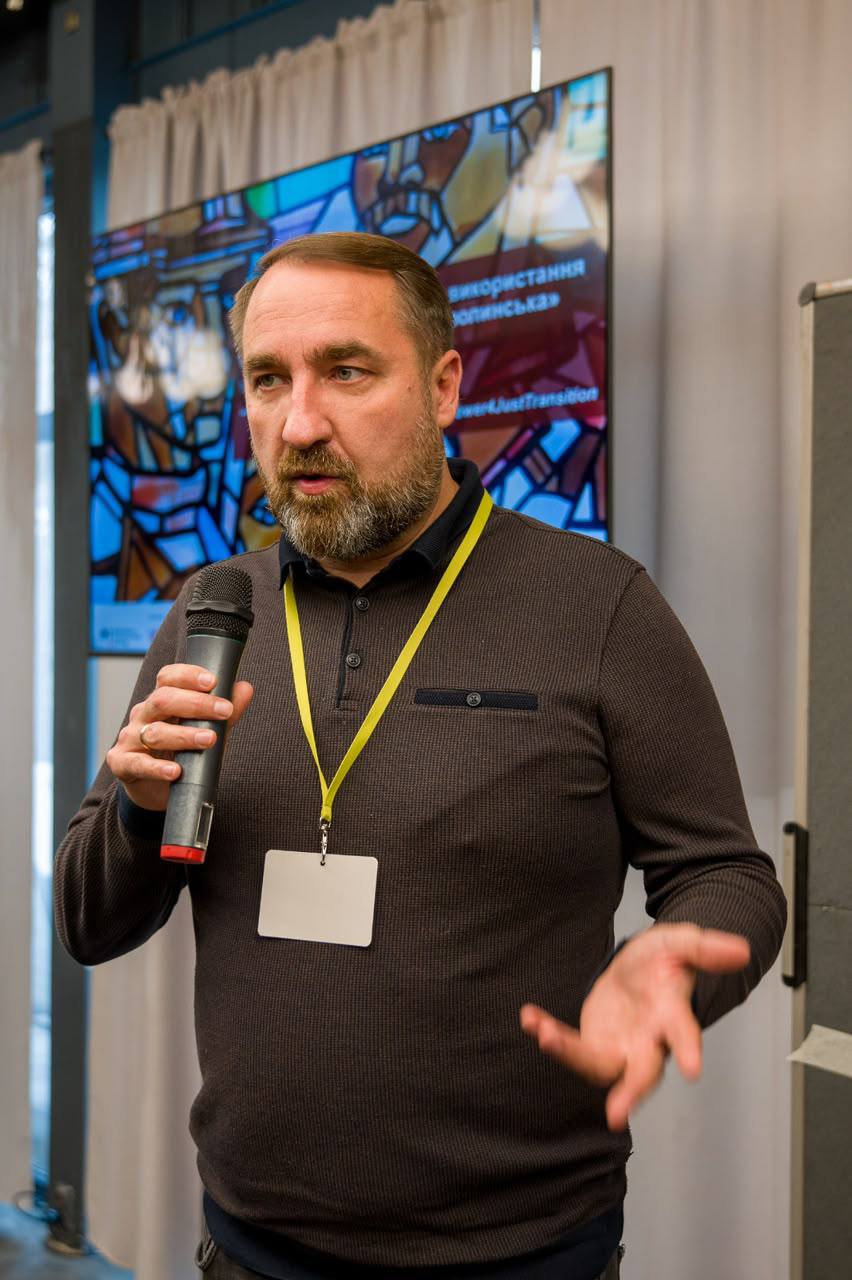
Local and regional government representatives, businesses, civil society organisations and young people came together to discuss the future of the Novovolynska Mine No. 9 site. The discussion was moderated by Andriy Tabinskyy, CEO of the Association of Coal Communities of Ukraine.
The session opened with an overview of the site. Maksym Yakover, an expert from the architectural firm Big City Lab, presented its current condition, buildings, infrastructure and outstanding issues. With this information as a starting point, participants shared their expectations and began exploring possible ways to use the site in the future.
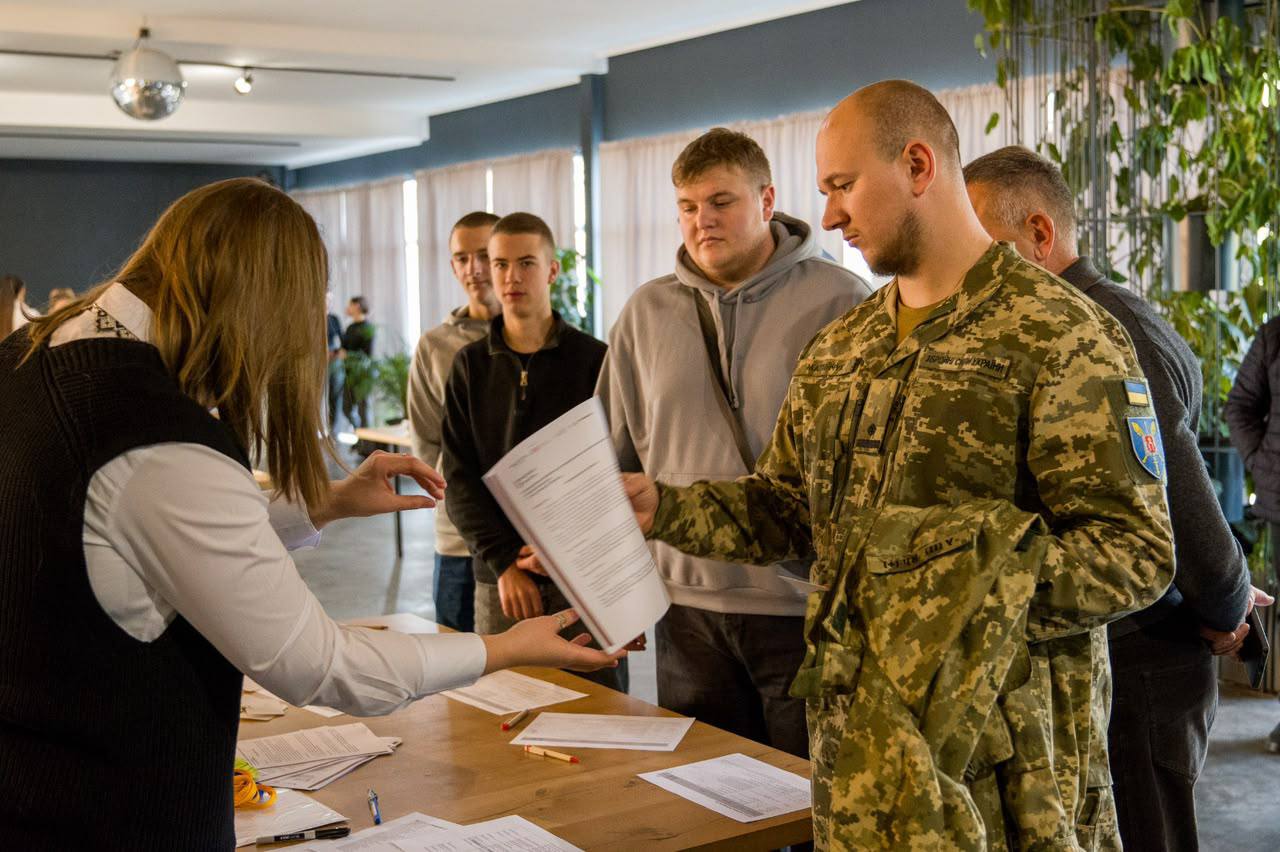
Participants then worked in groups to develop ideas. They considered how different scenarios could contribute to the local economy, employment and the area’s appeal, as well as their potential impact on local identity, safety and the environment. After presenting their proposals, the groups discussed the benefits and risks of each scenario and identified issues requiring further consideration.
The proposals gathered during the discussion will inform the next stages of work on a concept for the site’s future use. Developing the concept is a pilot initiative for Ukraine: the approaches explored could serve as a practical reference for considering the future of other coal-mining sites.
This work forms part of the broader planning process for a just transition. The future of the site is not only about what happens to an industrial facility; it is also about opportunities to diversify the local economy, attract investment, support business development and create new employment prospects as coal mining comes to an end.
“Just transition is always about people. That is why decisions about the mine’s future must take account of the community’s needs, expectations and capabilities. This is how we can find a solution that benefits both the site and the people who live nearby,” stated Andriy Tabinskyy.
The concept is being developed as part of the GIZ Power4Just Transition project, implemented by Deutsche Gesellschaft für Internationale Zusammenarbeit (GIZ) GmbH through GIZ Ukraine on behalf of Germany’s Federal Ministry for Economic Affairs and Energy.