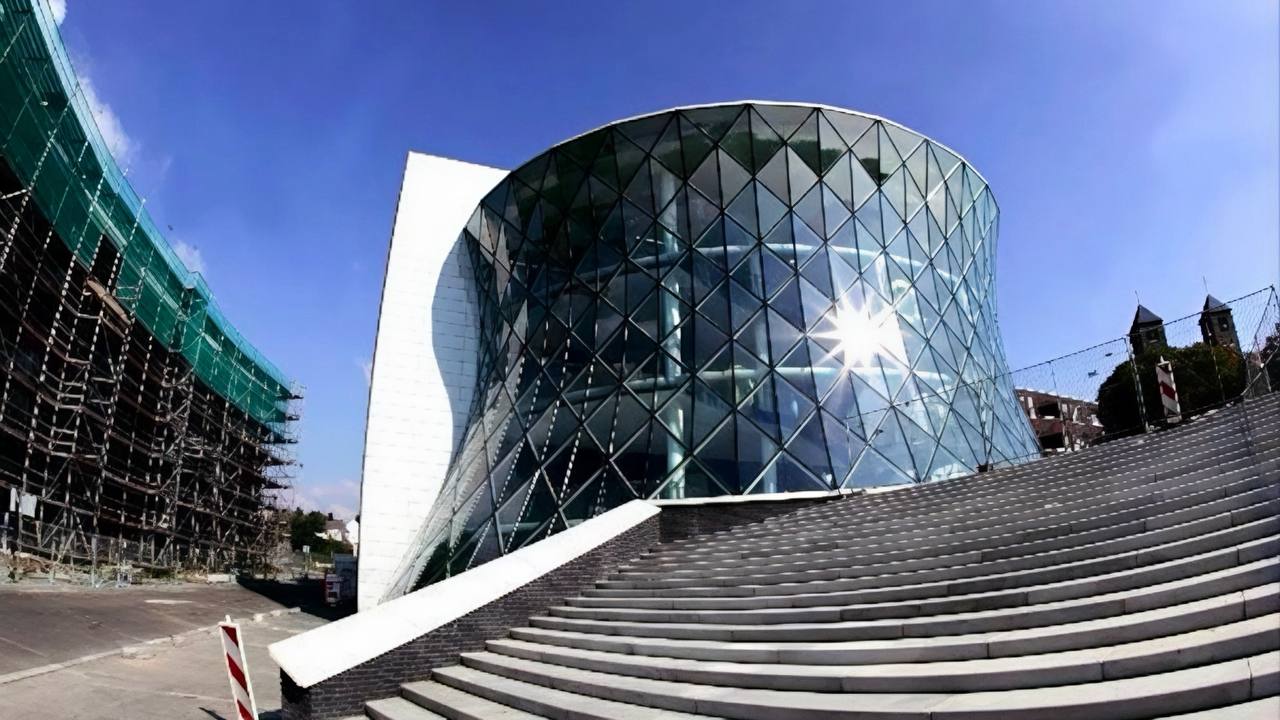
How Abandoned Mines Became Energy Sources: The Case of Heerlen
After mines are closed, their underground cavities gradually fill with water that maintains a stable temperature throughout the year.
In the Dutch city of Heerlen, this mine water is used within the Mijnwater project as a source of low-temperature geothermal energy. In effect, water from abandoned mines serves as a natural “thermal reservoir” for the city’s heating and cooling system.
The system has been in operation since 2008, using mine water from depths of up to 700 meters, with temperatures of around 28°C. It is not used as a direct heat source, but rather as both a source and a storage medium for thermal energy within the urban network. Heat pumps raise the temperature to the required level, while during warmer periods the system can also provide cooling.
However, the most interesting aspect is that this is not just about heating.
The system operates on a demand-driven basis: buildings can exchange heat with one another, transferring excess energy to where it is needed most.
At the same time, the mines function as long-term storage for both heat and cold, helping to balance the system and reduce overall energy consumption.
In essence, this is a next-generation energy network – flexible, local, and significantly less dependent on fossil fuels.
This approach provides several key benefits for communities:
➡ reduces dependence on fossil fuels
➡ creates local sources of heating and cooling
➡ gives a second life to mining infrastructure
➡ helps reduce CO₂ emissions
For Ukraine, this case is particularly relevant. Coal communities already possess assets that are often seen only as remnants of an industrial past.
However, the experience of Heerlen shows that closed mines can be reimagined not only as sites for decommissioning, but as part of a new energy infrastructure –provided there is proper technical assessment, investment, and long-term planning.
This reflects one of the core principles of a just transition: not simply ending the coal era, but creating new opportunities for communities based on existing assets.
The transformation of coal regions is not only about challenges – it is also about new development models, where former mining infrastructure can contribute to energy efficiency, decarbonization, and local resilience.